





How Mold Inspections Protect Your Home and Indoor Air Quality
Introduction
Mold can develop quietly behind walls, beneath flooring, inside crawl spaces, or around plumbing leaks long before homeowners notice visible signs. A professional mold assessment plays an important role in identifying hidden moisture issues, detecting mold growth, and helping homeowners understand the condition of their indoor environment. Whether you're purchasing a home, maintaining your current property, or investigating musty odors, a mold assessment provides valuable information that can help protect both your home and indoor air quality.
In this guide, we'll explore how mold inspections work, why they're important, what inspectors look for, and what different findings can mean for your property.
[edit] Why Mold Can Be a Hidden Problem
Mold is a naturally occurring fungus that thrives in damp environments. While small amounts of mold spores exist almost everywhere, they become a concern when moisture allows them to multiply indoors. Because mold often grows in concealed areas, many homeowners are unaware of its presence until visible stains, persistent odors, or water damage appear.
Common areas where mold may develop include:
- Bathrooms
- Basements
- Crawl spaces
- Attics
- Around windows
- Under sinks
- Behind drywall
- Around HVAC systems
- Areas affected by roof or plumbing leaks
Since mold growth often starts in hidden locations, a professional mold inspection provides a much clearer picture than a simple visual check.
[edit] What Is a Mold Assessment?
A mold assessment is a systematic evaluation of a property's interior and exterior to identify conditions that support mold growth and locate existing mold where possible. Rather than simply looking for visible discoloration, the process focuses on finding moisture sources, evaluating ventilation, and identifying areas where mold may be actively growing.
Depending on the property and the circumstances, an assessment may include:
- A thorough visual inspection
- Moisture meter testing
- Thermal imaging to locate hidden moisture
- Humidity measurements
- Air sampling (when appropriate)
- Surface sampling (if needed)
- Inspection of crawl spaces and attics
- Evaluation of ventilation systems
The goal is to understand both the current mold conditions and the underlying moisture problems that contribute to future growth.
[edit] How Mold Affects Indoor Air Quality
Indoor air quality is directly influenced by moisture and mold growth. As mold colonies develop, they release microscopic spores into the air. These spores can circulate throughout the home through natural airflow and HVAC systems.
Poor indoor air quality caused by mold may result in:
- Musty odors
- Increased airborne particles
- Reduced indoor comfort
- Persistent damp smells
- Dust accumulation associated with moisture problems
Even when mold isn't visible, airborne spores may indicate hidden growth somewhere within the property. This is one reason why inspections often focus on moisture detection rather than relying solely on visible evidence.
[edit] Signs That May Indicate You Need a Mold Inspection
Homeowners should consider a mold inspection whenever they notice conditions that suggest excess moisture.
Some common warning signs include:
[edit] Persistent Musty Odors
A strong earthy smell often indicates hidden mold behind walls, under flooring, or inside crawl spaces.
[edit] Water Damage
Past flooding, plumbing leaks, roof leaks, or overflowing appliances create ideal conditions for mold growth if materials remain damp.
[edit] Visible Staining
Dark spots, discoloration, or fuzzy growth on walls, ceilings, or wood surfaces may suggest mold activity.
[edit] High Indoor Humidity
Homes with excessive humidity, poor ventilation, or condensation frequently experience mold issues.
[edit] HVAC Concerns
Moisture inside HVAC systems can spread mold spores throughout multiple rooms.
[edit] What Inspectors Look for During a Mold Assessment
A comprehensive mold inspection goes far beyond searching for visible mold.
Inspectors typically evaluate several important areas.
[edit] Moisture Sources
Finding the moisture source is one of the most important parts of any inspection.
This includes checking for:
Without eliminating moisture, mold is likely to return even after cleanup.
[edit] Building Materials
Different materials react differently to moisture.
Inspectors examine:
Porous materials often retain moisture longer, increasing the likelihood of mold growth.
[edit] Ventilation
Poor ventilation traps moisture indoors.
Areas commonly evaluated include:
- Bathrooms
- Kitchens
- Laundry rooms
- Attics
- Crawl spaces
Proper airflow helps reduce humidity and limits conditions that support mold.
[edit] Relative Humidity
Indoor humidity is measured to determine whether moisture levels remain within recommended ranges.
Consistently high humidity creates favorable conditions for mold growth even without obvious leaks.
[edit] Understanding Common Mold Inspection Findings
Every property is different, and inspection results can vary significantly. Understanding what the findings mean helps homeowners make informed decisions.
[edit] No Mold Found
Sometimes no active mold growth is identified.
This generally indicates:
- Moisture is well controlled
- Ventilation is functioning properly
- No significant mold colonies are visible
However, maintaining regular inspections after water events remains important.
[edit] Elevated Moisture Without Mold
An inspector may detect elevated moisture before mold becomes visible.
Implications include:
- Mold may develop if moisture remains
- Repairs should be completed promptly
- Drying affected materials can help prevent future growth
This type of finding allows homeowners to address problems early.
[edit] Localized Mold Growth
Small areas of mold may be found around windows, bathrooms, or plumbing fixtures.
Possible causes include:
- Minor plumbing leaks
- Condensation
- Poor ventilation
Addressing both the mold and the moisture source helps reduce the chance of recurrence.
[edit] Air Sampling Shows Elevated Mold Spores
Air testing may reveal higher-than-expected mold spore levels indoors.
Possible implications include:
- Hidden mold growth
- Moisture behind finished surfaces
- HVAC contamination
- Ongoing water intrusion
Further investigation may be recommended to locate the source.
[edit] How Regular Mold Inspections Benefit Homeowners
Routine inspections offer several long-term advantages.
[edit] Protect Building Materials
Early moisture detection helps reduce deterioration of drywall, wood framing, insulation, and flooring.
[edit] Improve Indoor Air Quality
Reducing moisture and identifying mold growth contributes to a healthier indoor environment with fewer airborne contaminants.
[edit] Detect Hidden Water Problems
Thermal imaging and moisture meters often reveal leaks before they become major structural issues.
[edit] Support Better Maintenance Decisions
Inspection findings provide homeowners with valuable information about areas that need monitoring or repairs.
[edit] Tips for Preventing Mold Growth
Although no home is completely immune to mold, good maintenance significantly reduces the risk.
Helpful practices include:
- Repair plumbing leaks promptly.
- Address roof damage without delay.
- Keep indoor humidity below recommended levels.
- Use exhaust fans in bathrooms and kitchens.
- Ensure proper attic and crawl space ventilation.
- Clean gutters regularly.
- Direct downspouts away from the home's foundation.
- Dry wet materials as quickly as possible after water intrusion.
- Inspect areas prone to moisture several times each year.
Preventive maintenance is often the most effective way to avoid costly mold problems.
[edit] When Should You Schedule a Mold Assessment?
A mold assessment is especially beneficial under certain circumstances, including:
- After flooding or water damage
- Before purchasing a home
- Before listing a property for sale
- After discovering plumbing leaks
- When persistent musty odors are present
- If unexplained moisture keeps returning
[edit] Final Thoughts
Mold problems often begin long before visible signs appear, making early detection one of the most effective ways to protect your property. A professional mold assessment provides valuable insight into hidden moisture issues, existing mold growth, ventilation concerns, and indoor air quality conditions. Rather than focusing only on visible mold, a thorough assessment investigates the underlying causes that allow mold to develop, helping homeowners make informed maintenance and repair decisions.
Featured articles
Check out some of the best features and news from Designing Buildings as well as key stories from around the web.
Passive fire protection webinar

MEP services penetration seals.

Where its at podcast (and video) - The role of the Architectural Technologist as an Expert Witness.
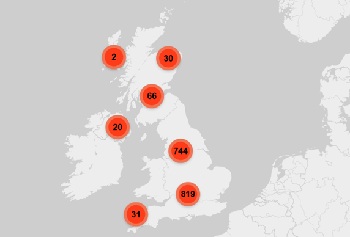
More than 200 remarkable buildings added to SAVE’s Buildings at Risk register.

Government scraps pre-application consultation for Nationally Significant Infrastructure Projects.
Historic England and infrastructure

New projects offer opportunities for the historic environment and local communities.
Construction Management, 2 July

Construction deaths halve in two years.
Green Book changes to drive investment in all parts of UK.
Minimum energy efficiency standards (MEES)

CIAT briefing on response to consultations for privately rented non-domestic properties.
Connect, collaborate, shape the future

Registration now live for UK Construction Week Birmingham.

CIOB announces Saul Humphrey FCIOB as new President for 26/27 term.

A quick, simple, and zero-bills solution to prevent overheating.
The adaptive reuse of large industrial structures.

Promoting the circular economy by extending the life of buildings.